
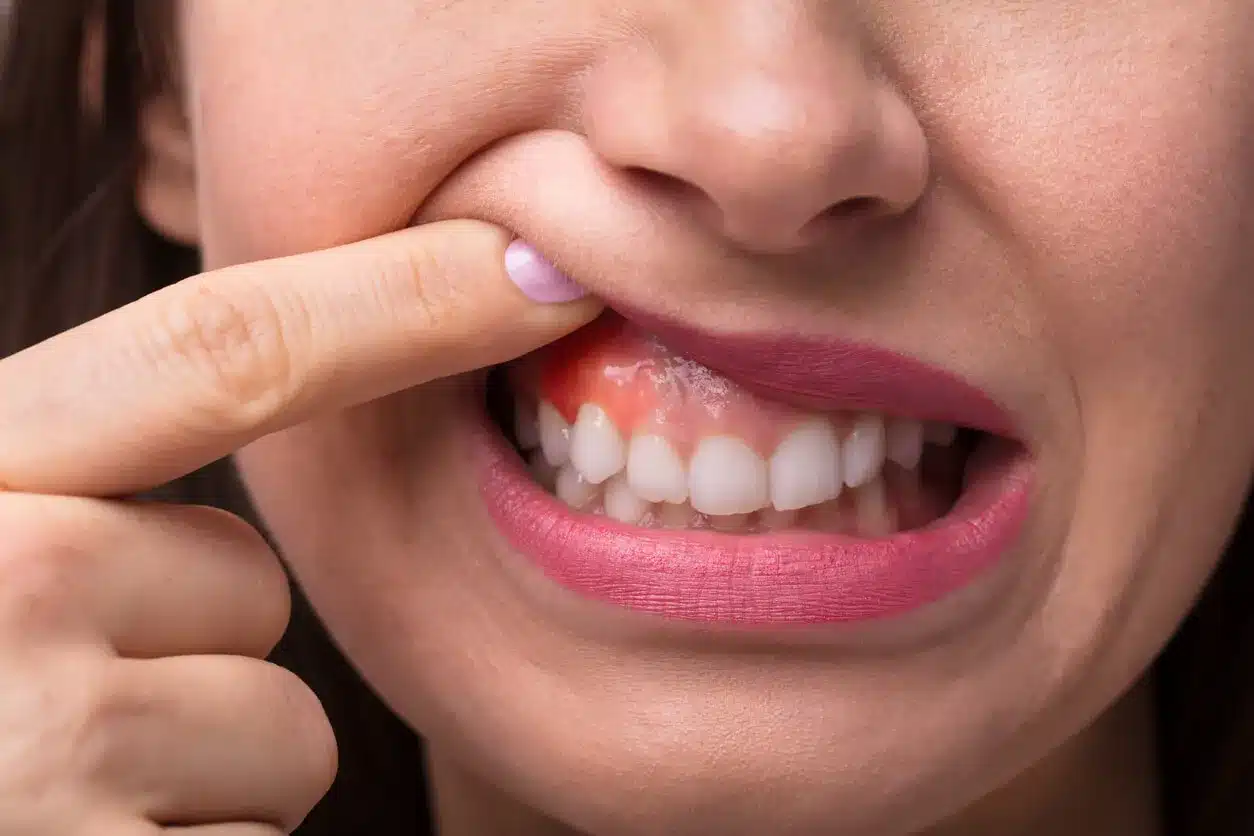

What Are the Common Causes of Bleeding Gums?
Bleeding gums can be worrying, but identifying the causes can help you address them effectively. Here’s what might be behind it:
Gum Disease
Gum disease often starts with plaque bacteria that collect along the gum line. If not treated, it can progress. This buildup irritates and inflames the gums, leading to bleeding. If untreated, it can evolve into periodontal disease, causing more severe oral health issues.
Poor Oral Health
Skipping brushing or flossing allows plaque to accumulate. This sticky film is a breeding ground for bacteria that irritate gums, causing them to bleed. A consistent routine of teeth and gum care is essential to prevent this problem.
Vitamin Deficiencies
A deficiency in Vitamins C and K can make the gums weak and prone to bleeding. These vitamins are needed for healthy gums, so incorporating foods rich in them can boost gum health.
Overbrushing
Using a hard-bristled toothbrush or brushing too harshly can wear down your gums. This can lead to receding gums, which are more vulnerable to irritation and bleeding. Switching to a soft-bristled brush and gentler technique can help.
Hormonal Changes
During pregnancy or other hormonal shifts, your gums may become more sensitive. Increased sensitivity can make gums more likely to bleed, even with regular oral care. Being gentle and using recommended dental hygiene practices can make a difference.
Medication Side Effects
Certain medications, like blood thinners, can elevate gum sensitivity and lead to bleeding. If you notice bleeding gums after starting a new medication, check with your healthcare provider.
Tobacco Use
Using tobacco products, including smoking, can harm gums and disrupt the blood supply, raising the risk of bleeding and gum disease.
Ill-Fitting Dental Appliances
Dentures or braces that don’t fit correctly can irritate the gums, causing them to bleed. Regular adjustments and check-ups can prevent this issue.
Trauma
Injuries or trauma to the mouth or gums, such as biting too hard or experiencing an impact, can harm the gums and cause bleeding. Prompt treatment of these injuries is essential to prevent infection.
How to Stop Your Gums From Bleeding: Home Remedies
Bleeding gums can be worrying, but there are straightforward remedies you can try at home to help manage the problem. Here are remedies you can try:
Rinse With Saltwater
Saltwater rinses reduce gum inflammation. Mix half a teaspoon of salt into a cup or glass of warm water and rinse your mouth after each meal. This solution acts as an antiseptic, helping to clean your gums and promote healing. It’s an easy and effective remedy you can use daily.
Apply a Cold Compress
If your gums are swollen and bleeding, a cold compress can provide immediate relief. Gently place the compress on the outside of your mouth where the gums are affected. This technique helps reduce swelling and numbs the area to ease discomfort. Create a cold compress by placing ice cubes in a towel, wrapping them, then applying them to the affected area as needed.
Try Clove Oil
Clove oil is known for its natural healing properties. Put a small amount of clove oil onto a clean cotton ball and apply it gently to the affected gums. Clove oil can soothe irritation and aid in gum healing. Use it sparingly, as it’s quite potent—just a little can be very effective.
Use Aloe Vera Gel
Aloe vera gel can be a soothing option for bleeding gums. Put a small layer of pure aloe vera gel directly on your gums. Aloe vera’s natural anti-inflammatory properties help reduce swelling and bleeding. Make sure you’re using pure gel without added chemicals to get the best results.
When to See a Dentist for Gum Bleeding
If you’re experiencing gum bleeding, there are certain times when it’s best to consult a professional. Here are signs to watch for:
- Frequent Bleeding: If your gums bleed often, or you regularly notice blood in the sink after brushing or flossing, it’s time to see a dentist. Persistent bleeding could indicate underlying issues that need attention.
- Severe or Non-Stop Bleeding: If your gums bleed profusely or don’t stop bleeding easily, it’s a clear sign to seek dental care immediately. This could signal a serious condition.
- Bad Breath: Consistently bad breath, even after brushing, might be a sign of gum disease. It’s important to have a dentist check for any infections or underlying problems.
- Receding Gums: If you see that your gums are pulling back from your teeth, this could suggest a deeper issue, such as advanced gum disease. A dentist can assess and address this condition.
- Signs of Infection: Look for swelling, redness, or soreness in your gums. These signs may indicate a periodontal infection that needs prompt dental intervention.
- Painful Gums: If your gums are painful to touch or you experience discomfort while eating, it’s wise to schedule a dental appointment. Pain often points to more serious gum issues.
- Changes in Gum Color: Sudden darkening or unusual discoloration of your gums can be a warning sign of periodontal disease or other health issues.
- Loose Teeth: If your teeth loosen, it may indicate severe gum disease affecting the support of your teeth. Immediate dental care is essential.
How Do Dentists Treat Bleeding Gums?
Dentists use a variety of treatments to manage and treat bleeding gums. Here are the common approaches:
Thorough Cleaning
Dentists start with a professional cleaning to remove plaque and tartar. This process helps stop bleeding by getting rid of bacteria that irritate your gums. It’s an essential first step in treating the problem and maintaining oral health.
Scaling and Root Planing
In severe circumstances, scaling and root planing may be necessary. This deep dental cleaning procedure reaches below the gum line to eliminate hardened plaque and smooth the tooth roots, helping gums reattach to the teeth.
Specialized Mouthwashes
Dentists might recommend antibacterial mouthwashes to target harmful bacteria. These rinses help reduce inflammation and support oral hygiene.
Laser Therapy
Some dentists use laser therapy to treat bleeding gums. This method targets infected areas, removing bacteria and promoting healing with minimal discomfort.
Antibiotics
In cases of severe gum infection, dentists may prescribe antibiotics. These medications fight off harmful bacteria and prevent further gum issues. By targeting the infection directly, antibiotics help reduce inflammation and promote healing.
What Happens If You Ignore Bleeding Gums?
Ignoring bleeding gums can lead to several serious issues. Here’s what can happen:
- Progression to Gum Disease: Bleeding gums can lead to advanced periodontal disease. This condition affects the tissues that support your teeth, leading to further complications.
- Tooth Loss: As gum disease progresses, the supportive structures around your teeth weaken. This can eventually result in the loosening and loss of teeth.
- Gum Infections: Ignoring bleeding gums can lead to infections, which cause the gum tissue to become inflamed and painful. These infections need professional treatment to prevent further damage.
- Increased Tooth Decay: Inflammation and infection can create an environment where tooth decay thrives. Without treatment, you risk developing cavities and other dental issues.
- Link to Systemic Issues: Advanced gum disease has been linked to broader health problems like heart disease and diabetes. This shows how closely your oral health is connected to your overall well-being.
- Aesthetic Concerns: Ignoring the issue can lead to receding gums, affecting your smile’s appearance and potentially causing self-consciousness.
How to Prevent Gums From Bleeding
Preventing bleeding gums involves adopting simple and effective habits. Here’s what you can do to keep your gums healthy:
Practice Good Oral Hygiene
Brush your teeth using a soft-bristled manual or electric toothbrush. This helps reduce gum irritation and effectively removes plaque. Be gentle and brush using circular motions to protect your gums.
Floss Daily
Flossing removes food debris and plaque that your toothbrush can’t reach. Doing this daily prevents gum disease and helps stop bleeding. Be gentle to avoid hurting your gums.
Regular Dental Check-Ups
Schedule regular visits to your dentist. These appointments allow for early detection of gum problems, helping to protect your gums and stop bleeding before it becomes serious.
Healthy Diet
Make sure your diet is rich in vitamins C and K. Foods like oranges, strawberries, broccoli, and leafy greens are excellent for supporting gum health and preventing bleeding.
Avoid Tobacco Products
Smoking and using tobacco products can worsen gum problems and increase the risk of bleeding. Quitting or reducing tobacco use can significantly improve your gum health.
Stay Hydrated
Drink plenty of water throughout the day. Staying hydrated helps maintain saliva flow, which is important for keeping your mouth clean and reducing bacteria.
Use Mouthwash
Incorporating an antiseptic mouthwash into your routine can help decrease bacteria in your mouth, lowering the risk of gum disease and bleeding.
Manage Stress
Elevated stress levels can affect both your immune system and oral health. Engaging in stress-lowering activities, such as deep breathing or meditation, can improve overall well-being, including periodontal health.
Addressing Misconceptions on Gum Bleeding
Clearing up myths is important for proper gum care. Here are some common misconceptions:
Misconception #1: Bleeding Gums Are Normal
Many people think that it’s normal for gums to bleed occasionally. This is a myth. Bleeding gums are a sign of gum issues and should not be ignored. They may indicate gum disease or other problems that need attention.
Misconception #2: Gum Issues Only Affect Older Adults
It’s a misconception that only older adults experience gum problems. Gum issues can affect anyone, regardless of age. Good oral hygiene is important for everyone to prevent these problems.
Misconception #3: Home Remedies Are Enough
While home remedies can assist in managing symptoms like bleeding, they cannot replace professional treatment. A dentist can provide the necessary care and interventions to address the root causes of gum issues.
Misconception #4: Brushing Harder Helps
Some believe that brushing harder will clean teeth better, but this can actually harm your gums. To protect your gums, choose a toothbrush with soft bristles and gently brush your teeth using circular motions.
Gum Health Matters: Book Your Consultation Today
Don’t let bleeding gums affect your oral health. At Alpharetta Smile Care, we offer various services to help you achieve and maintain a beautiful, healthy smile. From dental cleanings to cosmetic solutions like Invisalign and veneers, our team provides comprehensive care tailored to your needs.
Book a consultation with us for personalized advice and take charge of your gum health. You deserve top-notch care, and we’re committed to delivering it.