
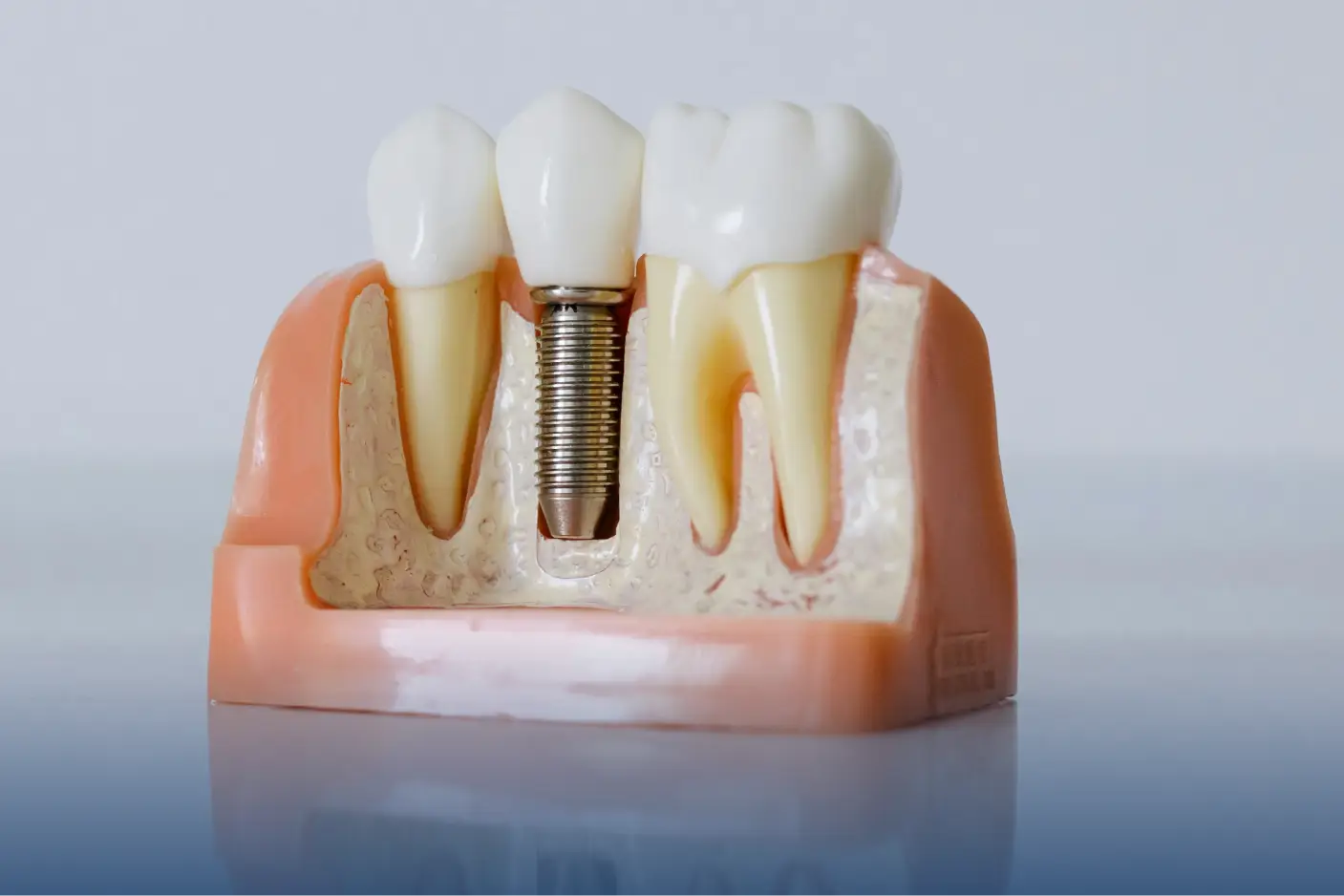

What Are Dental Implants?
A dental implant is an artificial tooth root, often made from titanium, that integrates into your bone to support a replacement tooth, mimicking a natural-looking tooth. The benefits extend beyond aesthetics. They preserve bone health, enhance chewing function, and facilitate a beautiful and confident smile. Unlike dentures and bridges, implants create a solid foundation for replacement teeth without affecting adjacent teeth.
How Long Do Dental Implants Last?
Dental implants are renowned for their durability and longevity, often making them an excellent long-term solution for tooth replacement. On average, dental implants can last anywhere from 15 to 25 years or even longer with proper care and maintenance.
Recent studies suggest that dental implants’ success rate is approximately 95%, showcasing their reliability as a treatment option. Factors contributing to the longevity of dental implants include the patient’s oral hygiene habits, regular dental check-ups, and overall health.
Despite their high success rates, dental implants’ lifespans can vary. Implants in areas of the mouth that experience less pressure from chewing, such as the front teeth, tend to last longer than those in high-pressure areas like the molars.
The Process of Getting Dental Implants
1. Initial Consultation and Treatment Planning
Your dental implant journey begins with a thorough initial consultation. This crucial step involves a comprehensive assessment of your oral health and dental history to tailor a personalized treatment plan. During this phase, your oral surgeon evaluates the condition of your jawbone and discusses health conditions that might influence the procedure. Important impressions and x-rays are also taken to plan the implant placement accurately.
2. Additional Preparatory Procedures
Some patients might require additional preparatory procedures to ensure a strong base for the implants. Common preparatory treatments include:
- Tooth Extractions. Removing damaged or decayed teeth that may interfere with the implant area.
- Bone Grafting. Necessary when the jawbone lacks adequate density to use natural or synthetic bone graft materials to strengthen the site for implant support.
- Treatment of Periodontal Conditions. Addressing any existing periodontal conditions is crucial, as untreated periodontitis can jeopardize the success of the implant.
These steps enhance the bone structure to securely support the implants, providing a solid foundation for your dental restoration.
3.. The Surgical Procedure
Once the jawbone is ready, the dental implant can be placed. This typically involves the following steps:
- Anesthesia. Local anesthesia is administered to ensure comfort.
- Incision. A small incision is made in the gum tissue to expose the bone.
- Drilling. A specific site is drilled into the bone where the titanium implant will be inserted.
- Inserting the Implant. The implant, which resembles a screw, is placed into the drilled site.
- Closing the Gum. The gum tissue is then stitched closed over the implant.
4. Healing and Osseointegration Process
Post-surgery, the healing and osseointegration process sets in, where your bone naturally bonds with the implant, a process that can take up to six months. During this healing phase, the implant integrates with the bone, mimicking a natural tooth root. Temporary dentures may be used to maintain chewing ability and appearance.
5. Abutment Placement
Once osseointegration is complete, a minor procedure is conducted to place the abutment. This small connector piece attaches to the implant and forms the pathway for the crown or bridge. Healing around this abutment typically requires a couple of weeks before proceeding.
6. Final Restoration
The concluding stage of the dental implant journey is the attachment of your desired type of prosthetic teeth to the abutments. Depending on your specific requirements and the number of missing teeth, your dentist will recommend one of the following options:
- Dental Crowns. Ideal for single-tooth replacements, providing the look and functionality of a real tooth.
- Dental Bridges. Suitable when multiple teeth are missing, bridging the gap using adjacent teeth for support.
- Implant-Supported Dentures. A reliable choice for replacing a full arch of teeth, offering stability better than conventional removable dentures.
Your dentist ensures the final restoration fits perfectly, restoring your dental function and enhancing your aesthetic appearance.
How Long Does It Take to Recover From a Dental Implant?
| Phase | Details | Duration |
| Initial Recovery | Focuses on reducing swelling and managing discomfort immediately after surgery. | 3-7 days |
| Osseointegration | The bone integrates with the implant, securing it firmly. Temporary solutions maintain function and appearance if needed. | 3-6 months |
| Abutment Healing | Time is required for gum tissue to adjust around the abutment. | 1-2 weeks |
| Final Crown Placement | A crown or bridge is fitted and adjusted to ensure a perfect bite and aesthetic look. | Immediate after healing |
Post-Op Care and Maintenance
- The use of ice packs and medications to manage swelling and counter pain relievers can assist in comfort post-surgery.
- It is essential to follow care protocols, such as avoiding chewing on ice and practicing oral hygiene to keep crannies around teeth clean.
- Regular follow-up appointments and dental visits ensure the implant remains secure and that the integration process is progressing as expected.
Considering Suitability and Alternatives
When evaluating whether dental implants are the right choice for you, consider the following factors for suitability:
- Adequate Bone Health. Sufficient bone density is necessary to support the implant.
- Oral Health Conditions. The absence of issues like periodontal disease can adversely affect implant success.
- Bone Height. Suitable candidates have adequate bone height, or they may require bone grafting if insufficient.
If dental implants are unsuitable, alternatives such as bridges or removable dentures may be considered to meet tooth replacement needs.
How Painful Is the Dental Implant Procedure?
The dental implant procedure is generally well-tolerated thanks to advancements in dental techniques and anesthesia options. Here’s a breakdown of what you can expect in terms of discomfort or pain during the process:
During the Procedure
- Anesthesia Options. Local anesthesia is typically used, numbing the area completely so you won’t feel pain during the surgery. In some cases, intravenous sedation or nitrous oxide may be offered for additional comfort.
- Surgical Sensations. While the procedure itself should not be painful due to anesthesia, you might feel some pressure or vibration during the implant placement.
Pain Management
- Prescribed Medications. Your dental provider may suggest pain medication or anti-inflammatory drugs to help manage any discomfort during the recovery phase.
- Home Care Tips. Applying ice packs to the affected area, sticking to soft foods, and maintaining good oral hygiene can also support a comfortable recovery.
Overall Experience
Most patients find that the experience of getting a dental implant involves less pain than anticipated and is comparable to other routine dental procedures, such as tooth extractions.
Understanding these aspects can help alleviate concerns and prepare you for a more comfortable dental implant procedure and recovery.
Does Insurance Cover Dental Implants?
Coverage for dental implants can vary widely depending on your specific insurance plan. Here are some key points to consider:
Dental Insurance
- Some plans may cover components of the implant procedure, such as the crown or abutment.
- Coverage is often limited and might require a demonstrated need or the procedure being the most cost-effective alternative.
Medical Insurance
- In certain cases, implants may be covered if they are deemed medically necessary due to conditions such as jawbone deterioration or significant tooth loss from a medical condition.
- Confirm whether your medical insurance includes any dental implant coverage.
Checking With Your Insurer
- Contact your insurance provider directly to understand what specific aspects of the procedure they may cover.
- Inquire about any required pre-authorization processes to ensure you are aware of the potential costs involved.
To avoid unexpected expenses, it’s crucial to thoroughly review your plan and speak with your insurance provider well in advance of your procedure. Consider requesting a pre-treatment estimate to gain clearer insights into what your insurance might cover.
Enhance Your Smile With Dental Implants
Dental implants can improve your oral health, boost your confidence, and restore full functionality—making it easier to smile, chew, and speak naturally. They’re a reliable, long-lasting solution for missing teeth, offering both durability and aesthetics.
The implant process is straightforward, with every step—consultation, placement, and restoration—designed to create a healthy, beautiful smile. Minimal discomfort and lasting results make implants a preferred choice for tooth replacement.
Ready to restore your smile and regain oral functionality? Contact Alpharetta Smile Care today to schedule your consultation and explore the best dental implant solutions tailored to your unique needs. Our dedicated team, led by Dr. Doug Worful, is committed to guiding you through each step of the process, providing exceptional care and expertise. Experience the confidence and quality of life that comes with a complete, radiant smile.