
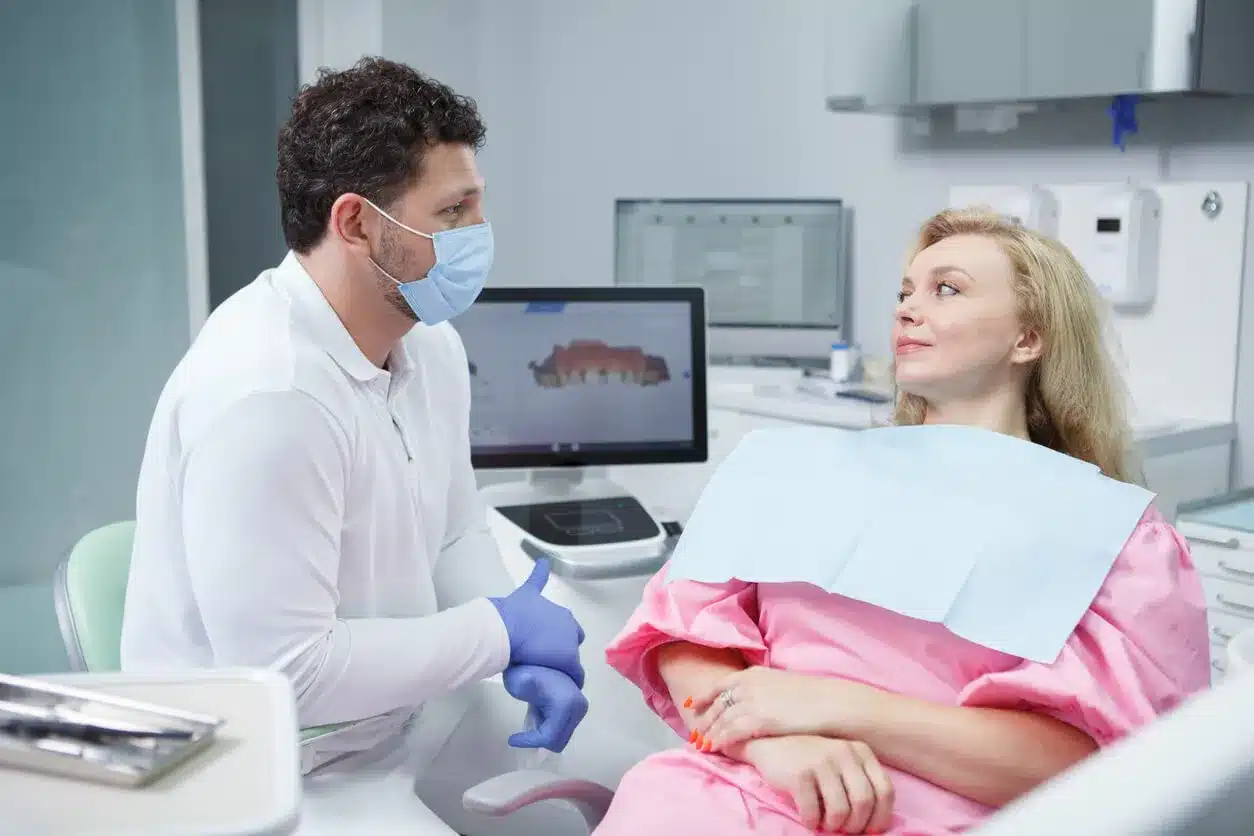

What Are Dental Implants?
Dental implants are artificial tooth roots crafted from biocompatible materials such as titanium. The process involves a surgical procedure to insert the titanium post into the jawbone. Over time, the implant naturally integrates with the bone through a process called osseointegration. Consulting with a dentist or oral surgeon is essential to determine if you are a suitable candidate for this dental procedure.
Types of Dental Implants
Dental implants can be categorized into two main types: those based on treatment type and those based on placement.
Based on the Treatment Type
- Traditional Dental Implants. These are typically used in standard procedures where sufficient bone structure is available. They usually require a multi-step process, including surgeries for implant placement and a healing period before the final crown is attached.
- Immediate Load Dental Implants. Also known as “same-day implants,” these allow the placement of a temporary tooth during the same appointment as the implant post-insertion. They’re suitable for patients with adequate bone density and stability.
- Mini Dental Implants. These are a smaller version of traditional implants, often used for patients with less bone density or for securing dentures.
Based on Placement
- Endosteal Implants. The most common type is placed directly into the jawbone. Typically shaped like screws, cylinders, or blades, they provide a strong foundation for artificial teeth.
- Subperiosteal Implants. These are placed under the gum but above the jawbone, making them suitable for patients who don’t have enough healthy natural jawbone and cannot or do not want to undergo bone augmentation procedures.
By understanding these categories, patients and dental professionals can better determine the most suitable approach for individual dental needs.
Dental Implants Pros
1. Natural Appearance
Dental implants are designed to resemble natural teeth in both form and function closely to your natural teeth. The material and custom fit ensure a seamless integration, making them indistinguishable from your real teeth. This helps maintain a natural and attractive appearance without compromising on looks.
2. Durability and Longevity
With proper care, dental implants are incredibly durable, often lasting 15 to 25 years or more. Studies indicate that the success rate of dental implants is approximately 95%, which reflects their reliability and endurance over time. Unlike other dental procedures, implants typically do not require frequent replacement, making them a cost-effective, long-term option that can save you from the future expenses of continual replacements or repairs. Regular dental check-ups and good oral hygiene practices are essential to maximizing the lifespan of your implants.
3. Preservation of Jawbone Health
Dental implants stimulate the jawbone much like natural tooth roots would, preventing bone loss. This ability to maintain the integrity of the jawbone helps in preserving facial structure, thus avoiding the premature aging effects seen with missing teeth.
4. Improved Functionality
The restoration of complete chewing capacity, which enables you to worry-free enjoy your favorite meals, is a major benefit of dental implants. They improve your ability to bite and chew, which benefits not only your nutrition but also your daily self-confidence in eating a healthy diet.
5. Convenience
Unlike removable dentures, dental implants require no nightly removal or special adhesives, offering convenience in daily hygiene routines. They function just like real teeth, making your maintenance simpler and more efficient, enhancing your overall quality of life with lasting results.
Dental Implants Cons
1. Higher Initial Cost
The initial investment is typically higher compared to other tooth replacement options. However, the long-lasting nature of implants often justifies this upfront cost by avoiding future maintenance expenses. Financial planning and consulting your insurance provider can help address these concerns.
2. Surgical Procedure
Placement of dental implants involves a surgical procedure, which includes risks common to any oral surgery, such as infection or nerve damage. Patients must adhere to post-operative care instructions closely to minimize these risks and ensure optimal healing and implant success.
3. Longer Treatment Time
Unlike other methods, dental implant surgery requires an extended treatment time due to the healing process needed for osseointegration. This integration with the jawbone might take several months, requiring patience from patients eager to achieve final results. Planning for this timeline is essential.
4. Not Suitable for Everyone
Individuals with certain medical conditions or insufficient bone density may not be eligible for implants without supplementary bone grafting or preparatory treatments. A comprehensive medical evaluation is necessary to assess eligibility and ensure the dental implant procedure’s safety and effectiveness.
5. Potential Complications
Although they are uncommon, possible side effects include mild infections and implant failure. These frequently result from inadequate bone support or poor mouth hygiene. These hazards can be considerably reduced by scheduling routine dental examinations and following recommended oral hygiene guidelines.
Comparing Dental Implants to Other Options
| Factor | Dental Implants | Traditional Dentures | Bridges |
| Durability | Long-lasting with proper care | It may require periodic replacement | Lasts several years but may need replacement |
| Comfort | Feel like natural teeth | It may cause discomfort and require adjustments | Generally comfortable when fitted correctly |
| Oral Hygiene | Easy to maintain with regular care | Requires daily cleaning and removal | Need special oral hygiene practices |
| Jawbone Health | Supports and preserves jawbone health | Does not prevent jawbone deterioration | This may lead to jawbone resorption over time |
| Impact on Adjacent Teeth | Do not interfere with adjacent teeth | No impact on other teeth | Requires alteration of healthy teeth |
| Long-term Benefits | Offers numerous long-term benefits | Limited long-term advantages | Moderate long-term benefits |
Risks of Dental Implants
While dental implants offer numerous advantages, it is essential to weigh these benefits against the potential risks involved in the procedure. Understanding these risks can help patients make informed decisions about their dental health.
- Surgical Risks. The procedure for placing dental implants involves surgery, which inherently carries certain risks. These include infection, injury to adjacent teeth, and potential nerve damage. Although these complications are rare, it is crucial to follow your dentist’s post-operative instructions to ensure proper healing.
- Implant Failure. Although the success rate for dental implants is high, around 95%, there remains a slight risk of implant failure, which occurs in approximately 5% to 10% of cases. Failure may happen if there is inadequate bone density to support the implant, poor oral hygiene habits, or underlying medical conditions such as uncontrolled diabetes.
- Special Maintenance. While they are low maintenance compared to dentures, dental implants do require continued care to prevent potential issues. Routine dental examinations and consistent oral care are crucial to prevent gum disease and maintain the durability of dental implants.
Elevate Your Oral Health: Book a Consultation!
Dental implants provide various advantages, making them a popular choice for those looking for a lasting solution to tooth loss. Their natural look, improved functionality, and ability to maintain jawbone health make them very appealing. Nonetheless, it’s important to consider potential disadvantages, like cost and recovery duration. By carefully evaluating the benefits and drawbacks, individuals can determine if dental implants suit their dental requirements and lifestyle.
If you’re in the Alpharetta area and are considering dental implants, now is the perfect time to take action. Schedule a consultation with our skilled dental team to discuss your options. We are dedicated to providing personalized care and helping you achieve a lasting, confident smile.
Contact us today to begin your journey to improved oral health and a brighter smile!