
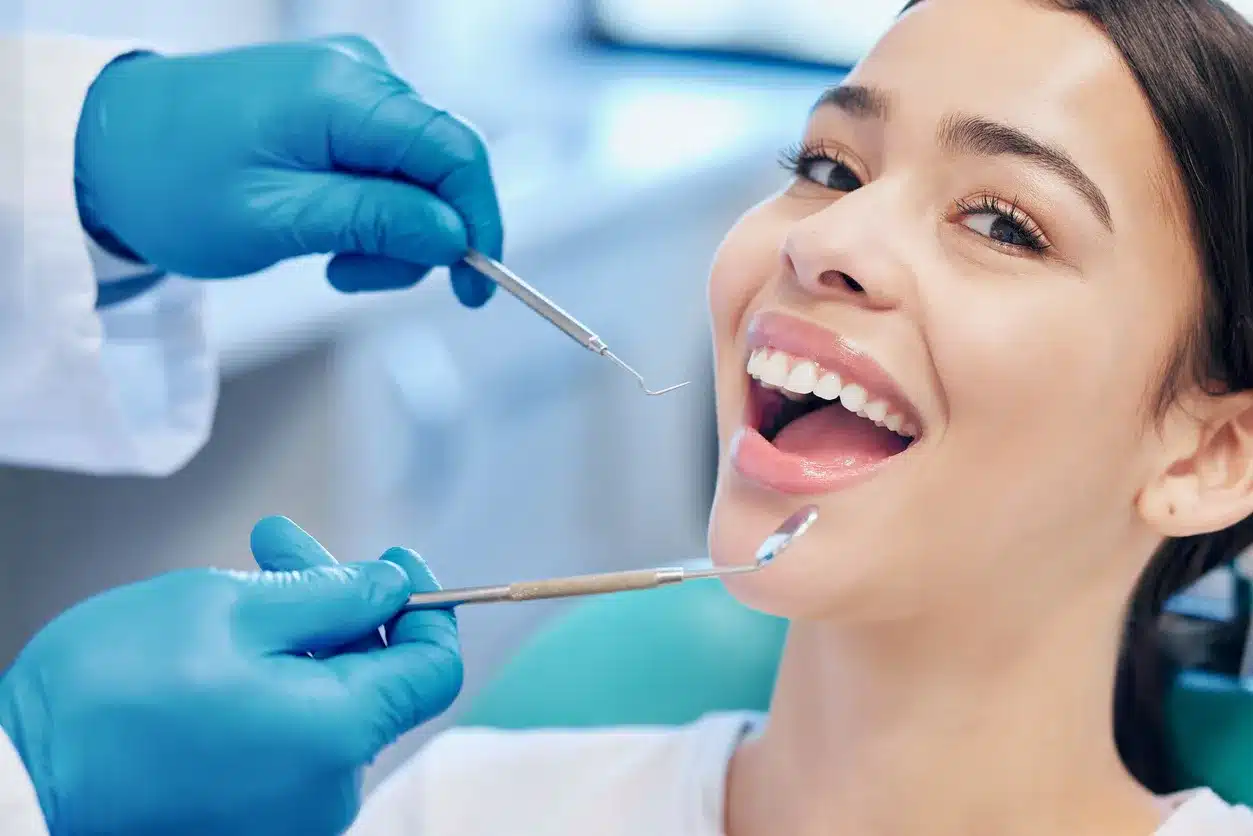

What Is Early Dental Care?
Early dental care is all about introducing children to the essentials of oral hygiene and ensuring that dental visits become a regular habit from a young age. This means becoming familiar with proper dental care and visiting the dentist regularly. It’s about establishing a routine where dental health becomes a natural and integral part of a child’s daily life.
When Should Children See a Dentist for the First Time?
Children should have their first dental visit when their first tooth emerges, and no later than their first birthday, as recommended by the ADA. This early introduction helps children become comfortable in the dental setting and offers parents valuable tips on maintaining their child’s dental health. Starting visits early is essential because a child is susceptible to cavities as soon as their teeth appear.
What Are the Positive Effects of Early Dental Care?
Early dental care provides a wide array of benefits that profoundly impact both oral and overall health.
Prevention of Cavities and Gum Disease
Introducing consistent oral care routines at a young age helps prevent cavities and gum disease. Regular cleanings, combined with proper brushing and flossing techniques, help keep plaque and tartar buildup to a minimum, thereby reducing the risk of serious dental issues over time.
Shield Against Major Issues
Early intervention at the dentist can prevent minor problems from escalating into major concerns. Potential issues, such as misalignment, tooth decay, and bite problems, can be managed more effectively when detected early. This proactive approach means treatments are often simpler and less invasive.
Reduction of Dental Anxiety
Familiarity with the dentist and dental procedures at an early age creates a comfort level that can drastically reduce anxiety. Children who experience positive dental visits early on are more likely to approach future appointments with confidence, viewing them as a regular part of life rather than something to fear.
Support for Speech Development
Teeth play a critical role in language development. Proper dental care ensures that children have the necessary oral health to pronounce words clearly and correctly, supporting effective communication and boosting language skills.
Encouragement of Lifelong Habits
Instilling the importance of brushing, flossing, and regular dental visits at a young age helps form lifelong habits. These healthy routines are essential for maintaining strong teeth and gums throughout life, highlighting the long-term benefits of early dental care.
Nutritional Guidance
Dental visits often include advice on nutrition that supports healthy teeth. Parents receive tips on foods that are beneficial for their child’s oral health, helping to shape dietary habits that contribute to healthy, strong teeth and overall well-being.
Building Trust and Confidence
Early positive experiences with dental professionals help build trust, making children more comfortable and secure during visits. This trust fosters a supportive environment where they can freely express concerns or fears, helping to demystify dental care.
Boosting Self-Esteem and Social Confidence
A healthy smile can significantly enhance a child’s confidence and self-esteem. By taking pride in their appearance, children may feel more at ease in social settings, which can positively influence their interactions with peers and adults.
What Happens During a Child’s Early Dental Visit?
A child’s early dental visit focuses on creating a positive and educational experience. Here are the typical steps involved:
- Warm Welcome: Upon arrival, your child is greeted warmly to foster a friendly and relaxed atmosphere. Many dental offices feature engaging activities or toys in their waiting areas to help children feel at ease.
- Initial Discussion: The dentist or hygienist will discuss the child’s dental history and address any concerns with the parents. This conversation helps tailor the visit to your child’s specific needs.
- Gentle Examination: The dentist conducts a careful examination of your child’s teeth and gums to check for any signs of decay, assess their development, and ensure everything is progressing normally.
- Teeth Cleaning: If required, a gentle cleaning will be done to remove plaque and tartar. This step is important for areas that may be missed during home brushing.
- Educational Guidance: Parents receive practical advice on brushing and flossing techniques suitable for their child’s age. The dentist will also discuss teething care and offer tips for managing discomfort.
- Nutritional Advice: The dentist provides guidance on foods that promote healthy gums and teeth, emphasizing the value of a balanced diet in maintaining oral health.
- Fun Experience: The visit often includes fun activities or rewards to make the experience enjoyable for the child, reinforcing a positive view of dental visits.
Tips for Starting Early Dental Care at Home
Now that you know why early dental care is important, starting dental care at home can be a rewarding experience for both you and your child. Here are some tips to make the process fun and effective:
Select Engaging Tools
Invest in toothbrushes that feature beloved cartoon characters or vibrant, eye-catching designs. Pair these with flavored toothpastes, such as strawberry or bubblegum, to make brushing an enjoyable activity. Consider rotating your child’s toothbrush choice every few months to keep them excited.
Establish and Stick to a Routine
Consistency is key. Set fixed times for brushing, such as after breakfast and before bed, to make it a natural part of your child’s day. By creating a stable routine, children are less likely to resist these important hygiene practices.
Infuse Fun with Music and Games
Play their favorite two-minute song while brushing, or use apps designed to make brushing a fun and engaging experience. Some apps offer interactive brushing challenges or visual timers, making the process both entertaining and educational.
Be a Role Model
Demonstrate proper brushing and flossing techniques by doing it alongside your child. Children often mimic their parents, so showing care and enthusiasm for your own oral health reinforces its importance.
Create a Reward System
Implement a reward chart where your child can earn stickers or tokens for consistent brushing and flossing. Celebrate these achievements with small, non-sugary rewards, such as an extra playtime or a trip to the park, to boost their motivation and enthusiasm.
Educate in a Playful Manner
Use storybooks or animated videos that depict dental hygiene adventures with friendly characters. These can illustrate the consequences of neglecting dental care in a way that’s engaging and easy to understand.
Stay Positive and Encouraging
Approach dental care with positivity. Reinforce the idea that taking care of teeth leads to strong, shiny smiles and avoid any negative talk or threats about visiting the dentist. Encourage open discussions about any fears or concerns they might have.
Introduce Dental Songs and Animations
Find catchy dental-themed songs and animated clips that emphasize brushing and flossing as part of a story or adventure. These can be both entertaining and educational, leaving a lasting impression.
Common Myths About Early Dental Care
Despite its importance, early dental care is often surrounded by misconceptions. Let’s answer some of these myths and set the record straight:
Myth 1: “Baby Teeth Aren’t Important”
A common myth is that since permanent teeth will eventually replace baby teeth, they don’t require much attention. However, baby teeth are crucial for several reasons. They play a vital role in speech development, helping children articulate sounds clearly and accurately. Additionally, they maintain proper spacing in the mouth, guiding adult teeth into their correct positions. Neglecting baby teeth can lead to misalignment and other dental issues later in life.
Myth 2: “Brushing Isn’t Necessary Until All Teeth Emerge”
Another misconception is that oral care can wait until a child has a full set of teeth. In reality, dental care should begin as soon as the first tooth appears. Early brushing helps remove sugars and bacteria that can lead to tooth decay and cavities. Even a single tooth is susceptible to decay, so starting early sets the foundation for a lifetime of good oral hygiene.
Myth 3: “Cavities in Baby Teeth Don’t Matter”
Some believe that cavities in baby teeth aren’t problematic since those teeth will fall out. However, untreated cavities can cause pain, infections, and even affect the development of permanent teeth. Maintaining healthy baby teeth is essential for overall oral health.
Myth 4: “Children Don’t Need Regular Dental Visits”
It’s often thought that young children don’t require regular dental check-ups. In fact, early dental visits play a critical role in monitoring the development of teeth and gums, providing professional cleanings, and offering parents guidance on best practices for at-home care.
Myth 5: “Dental Care is Hard for Kids”
Many believe that children can’t effectively care for their teeth. While they need guidance, children can indeed learn good oral habits with the right tools and encouragement from parents. Making dental care fun and interactive helps in instilling these habits early on.
Discover a Positive Dental Experience: Book Your Visit With Us Today!
Starting your child’s early dental care is a great step towards healthy habits. At Alpharetta Smile Care, we’re here to make that journey welcoming and stress-free. Our team provides a caring and friendly environment, making it an ideal setting for your child’s first dental visit. From gentle check-ups to practical tips, we focus on creating smiles that last a lifetime.
If you’re ready to see how we can make dental care a positive experience, schedule a consultation with us today. We’re excited to meet you and help your child’s smile shine bright for years!