
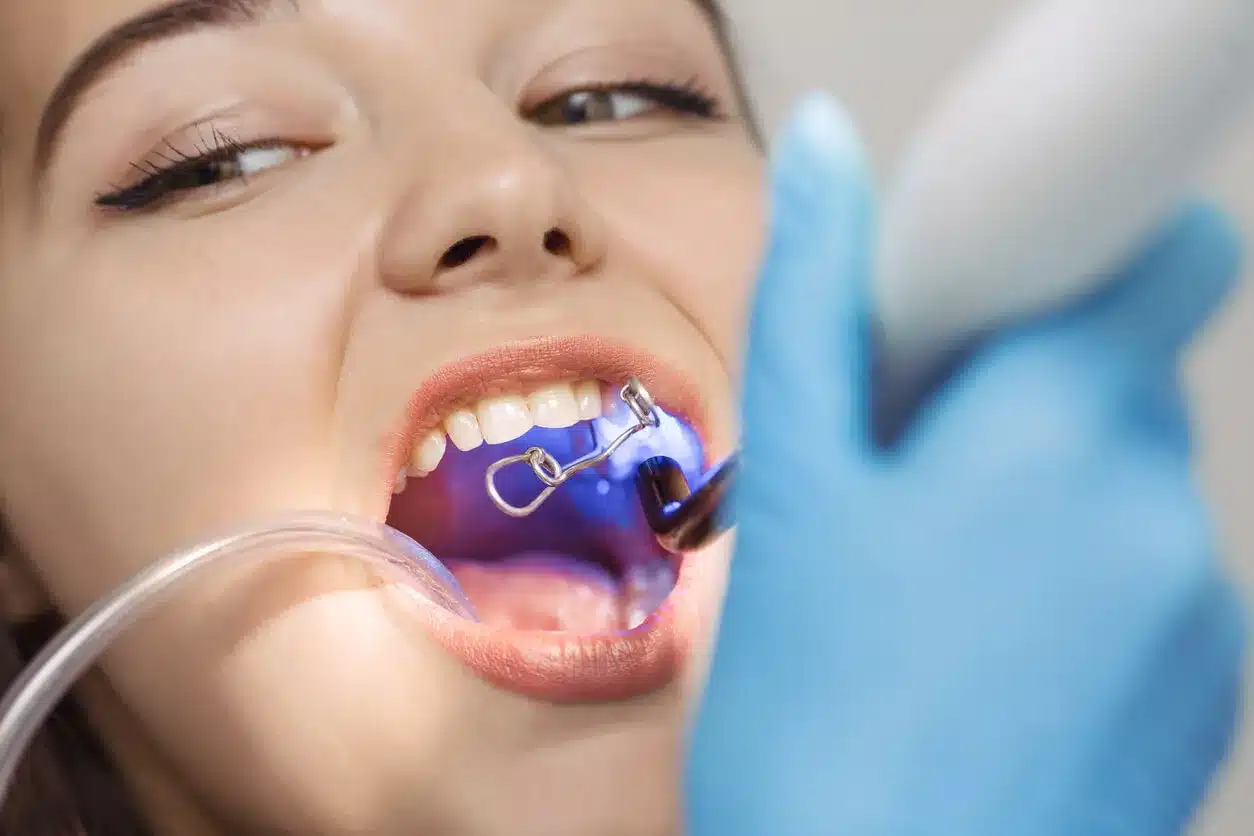

What Is Dental Composite Bonding?
Composite bonding is a dental treatment that utilizes a tooth-colored resin to enhance or repair teeth. It’s often used to fix minor imperfections like chips, gaps, and discoloration. The process is minimally invasive and usually completed in a single visit, making it a quick and painless option to improve your smile. The resin is applied, shaped to match your teeth, and then hardened with a special light for a natural-looking finish.
Benefits of Composite Bonding
Composite bonding comes with a range of benefits that make it a popular choice for those looking to enhance their smile.
- Quick and Painless Procedure: Composite bonding is usually completed in just one visit. The process involves minimal discomfort, allowing you to walk out with a brighter smile almost immediately.
- Cost-Effective Solution: It’s an affordable alternative to more expensive cosmetic dental procedures, like dental veneers, offering significant aesthetic improvements without straining your budget.
- Seamless Aesthetics: The tooth-colored composite resin perfectly matches your natural tooth enamel. This provides a smooth, natural appearance that blends seamlessly with the rest of your teeth.
- Versatility: Composite bonding is highly adaptable and can address various cosmetic issues. Whether you’re dealing with crooked teeth, chipped teeth, or misshapen teeth, this treatment effectively corrects imperfections, restoring the look and function of your teeth.
- Non-Invasive Approach: Unlike some other treatments, composite bonding requires minimal tooth preparation, preserving your natural tooth structure while enhancing its appearance.
- Immediate Results: Because the procedure is completed in one appointment, you’ll enjoy immediate improvements, making it ideal for those seeking rapid transformation for events or daily confidence boosts.
The Dental Bonding Procedure
The bonding procedure is straightforward and can significantly improve your smile. Now that you know the answer to: “What is composite bonding on teeth?” let us now discuss how it works:
Step 1: Consultation
The process begins with a discussion of your goals with a cosmetic dentist. During this initial consultation, the skilled dentist will evaluate your cosmetic dental needs and determine if composite bonding is suitable for you. This step is essential for understanding what you want to achieve and aligning your expectations.
Step 2: Preparation
Once the bonding treatment plan is established, the dentist prepares your teeth by applying a gentle conditioning liquid. This liquid helps the tooth’s surface become slightly rough, allowing the composite resin to adhere better. This step is essential for a strong bond between the resin and your natural tooth.
Step 3: Application
The trusted dentist applies the composite resin material to your prepared tooth. This resin is carefully shaped and molded to match the contours of your tooth structure. The dentist will pay close attention to details to make sure the shape enhances your smile’s appearance, addressing any chips, gaps, or uneven areas.
Step 4: Curing
A special curing light is used to harden the bonding material. This light activates the resin, making it strong and durable. Within seconds, the resin sets, forming a robust bond with your tooth.
Step 5: Finishing Touches
Once the resin hardens, the dentist will make final adjustments to make sure the bonded tooth seamlessly matches the rest of your smile. This includes polishing the resin to give it a natural sheen that matches your other teeth. Any necessary tweaks are made to ensure the bonded tooth feels comfortable and looks naturally aligned within your smile.
Who Can Benefit From Composite Bonding?
Composite bonding is perfect for individuals with minor aesthetic concerns wanting to enhance their smile without extensive dental work.
- Those with Minor Aesthetic Issues: If you have small imperfections like chipped tooth enamel, discolored teeth, or gaps, composite bonding can address these effectively.
- Individuals Seeking Quick and Affordable Enhancements: For those needing immediate results without a high cost, this procedure is often completed in a single visit and is budget-friendly.
- People Preferring a Non-Invasive Approach: Composite bonding is ideal for those who wish to preserve their natural tooth structure while improving their smile.
- Anyone Wanting a Confidence Boost: If minor flaws are impacting your self-esteem, this treatment offers a way to boost your appearance and your confidence.
- Individuals Considering Temporary Fixes: For those not ready for permanent solutions, bonding offers a temporary improvement with less commitment.
Comparing Composite Bonding to Other Cosmetic Treatments
When considering cosmetic dental treatments, it’s essential to understand the differences between options like composite bonding, porcelain veneers, teeth whitening, and dental crowns. Each has unique benefits and considerations.
| Treatment Option | Description | Advantages | Considerations |
| Composite Bonding | Uses tooth-colored resin to fix minor imperfections such as chips and gaps. | Quick, affordable, non-invasive, natural appearance | May require maintenance over time |
| Porcelain Veneers | Very thin shells placed over the front of teeth for a flawless finish. | Long-lasting, highly aesthetic | More invasive and costly |
| Teeth Whitening | Bleaching process to remove stains and brighten teeth. | Effective for removing stains, non-invasive | Does not fix structural issues |
| Dental Crowns | Dental caps placed over damaged teeth to restore function and appearance. | Durable, protects weak teeth | Higher cost, more extensive preparation required |
It’s always best to consult with a dentist to determine which treatment aligns with your specific needs and goals.
Care and Maintenance for Bonded Teeth
To keep your composite-bonded teeth looking their best, it’s important to follow a care routine that protects the composite resin and preserves your smile.
- Regular Dental Check-Ups: Schedule visits to your trusted dentist to monitor the condition of your composite-bonded teeth and ensure overall oral health. These check-ups help detect any early signs of wear or damage, allowing for timely intervention.
- Good Oral Hygiene Practices: Maintain a daily routine of brushing and flossing to prevent plaque buildup and staining. Use a non-abrasive toothpaste to safeguard the bonding material and keep it looking bright.
- Avoid Harmful Habits: Steer clear of habits that can damage your bonded teeth, such as biting fingernails, utilizing your teeth to open packages, or chewing ice. These actions can cause the resin to chip or crack.
- Mindful Eating Choices: Be cautious with hard or sticky foods that could potentially harm the bonding. Limit consumption of staining agents like coffee, tea, and red wine to keep your smile radiant.
- Periodic Touch-Ups: While composite resins are durable, they may need occasional touch-ups to maintain their appearance and resist stains. Discuss with your dentist about the frequency of these touch-ups based on your lifestyle and needs.
Potential Risks and Considerations
While composite bonding offers many benefits, it’s important to be aware of possible risks and considerations to make sure you’re making an informed decision.
Temporary Sensitivity
After the procedure, some individuals may experience temporary sensitivity in their teeth. This sensitivity occurs due to the proximity of the bonding material to the pain-sensing nerve inside the tooth. Typically, this sensation subsides within a few days, but if discomfort persists, consult your dentist for guidance.
Durability Concerns
Although composite veneers are designed to withstand daily wear, they are not as durable as other materials, such as porcelain. Over time, composite may chip or develop stains, especially if exposed to certain drinks or foods. Routine touch-ups and maintenance can help manage these issues and prolong the life of the bonding.
Suitability for Everyone
Composite bonding might not be ideal for everyone. Individuals with significant dental issues, such as gum disease or extensive decay, might require more advanced treatments like crowns or veneers. Additionally, some cases may need enamel removal or other preparatory procedures before bonding can be applied effectively.
Aesthetic Considerations
Over time, the composite material may not match the exact color of your natural teeth due to changes in the enamel’s coloration or staining of the bonding. Regular dental visits can help address any aesthetic concerns and keep your smile looking uniform.
Frequently Asked Questions
To help you understand more about composite bonding, here are some common questions and detailed answers.
How Long Does It Last?
Composite dental bonding typically lasts several years, depending on various factors like lifestyle habits and oral hygiene. While it’s durable, periodic touch-ups may be necessary to maintain its appearance and function over time. Regular dental check-ups can also extend the life of your bonded teeth.
Is It Covered by Insurance?
Most insurance plans categorize composite bonding as a cosmetic procedure, which means it might not be covered. However, coverage varies, so it’s wise to check with your provider to know your specific benefits or any possibilities for partial coverage.
Does It Hurt?
The bonding procedure is generally pain-free and doesn’t usually require anesthesia, as it involves minimal alteration to the natural tooth. Patients typically experience little to no discomfort during the process, making it a comfortable option for enhancing your smile.
Let Your Smile Shine: Explore Composite Bonding With Us Today!
At Alpharetta Smile Care, we’re here to help you achieve the natural, beautiful smile you’ve always wanted. We will lead you through the entire bonding process, answering your questions and making sure you’re comfortable.
In addition to composite bonding, we offer a range of services, including Invisalign, teeth whitening, veneers, and more, to meet all your dental needs. Contact us today to book your consultation and take a step towards your perfect smile. We look forward to welcoming you to our practice!